Cart
0


If you've been exploring engagement rings or diamond jewellery lately, you've almost certainly come across the term lab-grown diamond. It sounds futuristic, doesn't it? A diamond made in a laboratory, how is that even possible? And more importantly, how does it compare to a natural diamond formed deep within the Earth?
Let's uncover the science, the sparkle, and the truth behind lab-grown diamonds and explore why they've become the modern choice for so many couples across the UK.
What Exactly Is a Lab-Grown Diamond?
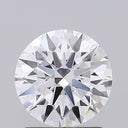
A lab-grown diamond is a real diamond, not an imitation, not a simulant, and absolutely not a fake. It's identical in chemical composition, physical structure, and optical brilliance to a natural diamond.
The only difference is the origin.
A natural diamond forms underground over billions of years. A lab-grown diamond is created in a controlled environment using advanced technology, typically within a few weeks. Both share the same dazzling sparkle, the same hardness (10 on the Mohs scale), and the same beauty when worn.
In fact, even professional jewellers usually need specialised equipment to tell them apart.
So if you've ever wondered whether lab-grown diamonds count as real diamonds, the answer is a confident yes.
How Are Lab-Grown Diamonds Made?

Creating a diamond in a laboratory might sound like something out of a science-fiction film, but the process is rooted in real, well-understood science. Two main methods are used.
HPHT: High Pressure, High Temperature
This method mimics the natural process that forms diamonds in the Earth's mantle. A small diamond seed is placed in a sealed chamber and exposed to extreme conditions around 1,500°C and 1.5 million pounds per square inch of pressure. Over time, carbon atoms crystallise around the seed, forming a diamond.
HPHT is the original method, developed in the mid-twentieth century, and it remains widely used today.
CVD: Chemical Vapour Deposition
A more modern technique, CVD uses a vacuum chamber filled with carbon-rich gas. When the gas is heated, carbon atoms attach to a diamond seed layer by layer, growing the crystal upward and outward over time.
CVD diamonds are generally purer and produced more efficiently, which is why CVD has become the dominant method for high-quality lab-grown diamonds in recent years.
Both processes create genuine diamonds with the same brilliance, fire, and clarity as those mined from the Earth, only without the environmental or ethical complications.
Lab-Grown Diamonds vs Natural Diamonds: A Clear Comparison

Let's address the question most couples ask: how do they really compare?
|
Feature |
Lab-Grown Diamond |
Natural Diamond |
|
Origin |
Created in a controlled laboratory |
Formed underground over billions of years |
|
Chemical Composition |
Pure carbon |
Pure carbon (identical) |
|
Hardness |
10 on the Mohs scale |
10 on the Mohs scale |
|
Appearance |
Identical brilliance and sparkle |
Identical brilliance and sparkle |
|
Environmental Impact |
Low, no mining required |
Mining can disturb land and ecosystems |
|
Ethical Sourcing |
Fully traceable, conflict-free |
Variable; depends on source |
|
Certification |
GIA or IGI certified |
GIA or IGI certified |
|
Price |
40–70% less for equivalent grade |
Premium for rarity |
|
Resale Value |
Lower (smaller resale market) |
Stronger (established global market) |
In simple terms, lab-grown diamonds are real, ethical, and significantly more accessible, offering the same luxury experience at a fraction of the price.
Why Lab-Grown Diamonds Are Gaining Popularity in the UK

The shift toward lab-grown diamonds isn't a passing trend. It's a genuine movement. Here's why more UK couples are choosing them for their engagement rings and fine jewellery.
Ethically Sourced and Conflict-Free
Traditional diamond mining has, in some regions, raised concerns about human rights, unsafe working conditions, and environmental harm. Lab-grown diamonds are created in controlled facilities, ensuring full transparency, traceability, and an entirely conflict-free origin.
Environmentally Friendly
Mining can carry a significant carbon footprint, displacing soil, consuming water, and disturbing ecosystems. Lab-grown diamonds dramatically reduce this impact. Independent studies suggest they can cut carbon emissions by up to 60%, while using significantly less water and energy than mined diamonds.
Better Value for Money
Because lab-grown diamonds skip the mining process and most middlemen, they typically cost 40% to 70% less than natural diamonds of equivalent size and quality. That means you can choose a larger, higher-grade diamond for the same budget, a meaningful win for both your wallet and your ring.
Identical Beauty and Durability
A lab-grown diamond sparkles just as brilliantly as a mined one. It's equally resistant to scratching, heat, and wear, ideal for engagement rings and lifetime daily jewellery.
Greater Customisation Options
Because the supply chain is more flexible, lab diamonds open up significant design possibilities, unique shapes, fancy coloured diamonds (pink, blue, yellow), and bespoke settings tailored to your story. This is one reason custom engagement ring designs are increasingly built around lab-grown stones.
Common Myths About Lab-Grown Diamonds
Even though lab-grown diamonds are becoming mainstream, a few persistent misconceptions still circulate. Let's clear them up.
Myth: "Lab-grown diamonds are fake"
False. Lab-grown diamonds are made of pure carbon, exactly like mined diamonds. The difference is how they're created, not what they are. They are not cubic zirconia. They are not moissanite. They are diamonds.
Myth: "Lab-grown diamonds don't sparkle as much"
Untrue. In fact, their controlled production often results in higher clarity, which can mean even more brilliance. Gemologists use the same 4Cs grading system: Diamond Cut, Diamond Colour, Diamond Clarity, and Diamond Carat for both lab-grown and natural diamonds.
Myth: "Lab-grown diamonds have no resale value"
Partly true, but misleading. The resale market for lab-grown diamonds is still developing, so the resale value is lower than that of natural diamonds. However, most diamond jewellery is bought for love and meaning rather than as a resale investment, and the lower upfront price often offsets the smaller resale gap.
Myth: "You can easily tell them apart from natural diamonds"
You cannot do without specialist scientific equipment. Even trained jewellers typically need advanced testing devices to distinguish a lab-grown diamond from a mined one. To the naked eye, they are identical.
H2: How to Verify a Diamond Is Lab-Grown

Every certified lab-grown diamond comes with a grading certificate from a recognised gemmological institute, most commonly:
-
IGI (International Gemological Institute)
-
GIA (Gemological Institute of America)
The diamond certificate clearly states the diamond's origin and full grading details, carat, cut, colour, and clarity, exactly as it would for a mined diamond.
At Rings of UK, every lab-grown diamond is certified, conflict-free, and laser-inscribed with a unique identification number on the girdle. This means you always know your diamond's authentic origin and quality, with documentation to match.
The Emotional Value: Does a Lab-Grown Diamond Feel Different?
This is the question many couples ask quietly, and it's a fair one.
The emotional significance of a diamond comes from what it represents, not where it was formed. Whether grown in a lab or mined from the Earth, what matters most is the love and intention behind it.
In fact, many couples find lab-grown diamonds even more meaningful, representing a modern kind of love that values sustainability, ethics, and considered choice. A ring chosen with care that aligns with your values often feels more personal than one chosen by tradition alone.
Why Choose Lab-Grown Diamonds from Rings of UK
At Rings of UK, we combine Hatton Garden craftsmanship with state-of-the-art lab-grown diamond technology. Here's what makes our collection different:
-
Up to 70% better value compared to traditional retailers
-
IGI and GIA certified diamonds with full transparency
-
Ethically sourced and environmentally responsible
-
Complimentary custom design to craft your bespoke engagement ring
-
Lifetime warranty and free resizing on every piece
-
Free, insured UK delivery on all orders
Whether you're searching for an engagement ring, an anniversary gift, or everyday fine jewellery, our lab-grown diamonds deliver timeless beauty responsibly.
The Future of Diamonds Is Already Here
For generations, natural diamonds were seen as the only way to express lasting love. But times and values have changed. Today's couples want beauty with purpose: elegance that reflects both love and conscience.
Lab-grown diamonds have made that possible. They offer all the brilliance, romance, and luxury of a traditional diamond without ethical or environmental compromise. From London to Edinburgh, eco-conscious and value-savvy couples are making the switch.
Because in the end, the value of a diamond isn't in where it was made. It's in the story it tells.
Final Thoughts: A Real Diamond, Reimagined
So, what exactly is a lab-grown diamond?
It's a real diamond born from innovation rather than excavation. The same brilliance, the same hardness, the same chemistry created responsibly, accessibly, and beautifully.
At Rings of UK, we're proud to offer a stunning collection of lab-grown diamonds that redefine modern luxury. Whether you're drawn to a classic solitaire, a brilliant oval, or a fully bespoke design, your ring awaits, responsibly created, beautifully crafted, and made with intention.
Browse our lab-grown diamond collection · Start a custom design · Book a Hatton Garden consultation
Frequently Asked Questions
What is a lab-grown diamond?
A lab-grown diamond is a real diamond created in a controlled laboratory environment using advanced technology, either HPHT (High Pressure High Temperature) or CVD (Chemical Vapour Deposition). It's chemically, physically, and optically identical to a mined diamond, with the same hardness and brilliance.
Are lab-grown diamonds real diamonds?
Yes, lab-grown diamonds are 100% real diamonds. They are made of pure carbon, just like mined diamonds, and possess the same physical, chemical, and optical properties. They are not cubic zirconia, moissanite, or any other simulant; they are genuine diamonds.
How much cheaper are lab-grown diamonds than natural diamonds?
Lab-grown diamonds are typically 40% to 70% more accessible than natural diamonds of equivalent carat, cut, colour, and clarity. The difference comes from a more controlled supply chain and the absence of mining costs, not from lower quality. Both can be GIA or IGI certified.
Are lab-grown diamonds ethical and environmentally friendly?
Yes, lab-grown diamonds are fully traceable, conflict-free, and significantly more sustainable than mined diamonds. Independent studies suggest they reduce carbon emissions by up to 60% and use considerably less water and energy than traditional diamond mining.
Can you tell the difference between lab-grown and natural diamonds?
No, not without specialist scientific equipment. To the naked eye, and even under standard jeweller's magnification, lab-grown and natural diamonds appear identical. Specialist tools are required to distinguish them, which is why every lab-grown diamond at Rings of UK comes with a certificate confirming its origin.
Do lab-grown diamonds hold their value?
Lab-grown diamonds have a developing resale market, so they don't retain value as strongly as natural diamonds in the secondary market. However, because lab-grown diamonds cost 40–70% less upfront, the lower purchase price often offsets the resale value gap. They are best chosen for love and meaning rather than as a financial investment.
Are lab-grown diamonds certified?
Yes, reputable lab-grown diamonds come with grading certificates from internationally recognised institutes such as GIA and IGI. The certificate confirms the diamond's origin, carat, cut, colour, and clarity. At Rings of UK, every lab-grown diamond is certified and laser-inscribed for full traceability.
Which is better, HPHT or CVD lab-grown diamonds?
Both methods produce real, beautiful diamonds. CVD is the more modern technique and typically produces higher-purity stones with excellent clarity, which is why it's now the dominant method for premium lab-grown diamonds. HPHT remains widely used and produces equally genuine diamonds. The grading and certification process is identical for both.