Cart
0


The Complete Diamond Jewellery Guide for UK Buyers
There is a moment, usually somewhere between saying yes and walking down the aisle, when you realise that the engagement ring was only the beginning. There is a whole world of diamond jewellery waiting to be discovered pieces that mark every milestone, complement every outfit, and carry real meaning for the person wearing them.
This guide is written for UK buyers who want honest, practical advice rather than another list of superlatives. Whether you are shopping for women's wedding bands to sit alongside an engagement ring, a diamond bracelet as a meaningful gift, a diamond pendant for everyday elegance, or a pair of diamond earrings that work as well in the office as they do on a special occasion this guide covers everything you need to know to make a confident decision.
Every piece in the Rings of UK collection is certified, conflict-free, and crafted to be worn and loved for a lifetime. Our Hatton Garden showroom is open to visitors, and our team is available for free consultations online or in person. But first the guide.

Women's Wedding Bands How to Choose the Right Band for Your Engagement Ring
A wedding band is not simply a ring that goes on the same finger as your engagement ring. It is a piece you will wear every single day for the rest of your life, often more consistently than the engagement ring itself. Choosing it deserves the same care and thought.
What Is a Women’s Wedding Band?
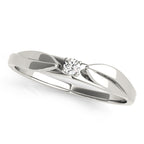
A women’s wedding band is the ring exchanged during the wedding ceremony as a symbol of commitment that sits alongside the engagement ring. Historically, it was a plain band. Today, the options range from simple polished metals to fully diamond set eternity rings, and everything in between.

Types of Women's Wedding Bands
The table below outlines the most popular styles of diamond wedding bands for women available at Rings of UK, with guidance on which engagement ring styles they pair best with.
| Style | Description | Best Paired With | Metal Options |
|---|---|---|---|
| Plain Band | Smooth, uncut metal in a polished or brushed finish. Timeless and understated. | Any engagement ring style | Platinum, 18ct white, yellow, or rose gold |
| Pavé Band | Small diamonds set closely across the surface of the band. Adds brilliance without bulk. | Solitaire, bezel, or minimal engagement rings | Platinum, 18ct white or yellow gold |
| Channel Set Band | Diamonds set in a groove running along the band with no prongs. Sleek, contemporary, secure. | Modern or tension set engagement rings | Platinum, 18ct white gold |
| Eternity Band | Diamonds set all the way around the ring. Maximum sparkle, often used as an anniversary upgrade. | Wide engagement rings or worn independently | Platinum, 18ct white or yellow gold |
| Shaped / Fitted Band | Curved or contoured to sit flush against a specific engagement ring. No gap, seamless look. | Halo, pear, oval, or curved shank engagement rings | Platinum, 18ct white, yellow, or rose gold |
| Half Eternity Band | Diamonds set across the top half of the band only. Comfortable and practical for everyday wear. | Solitaire or pavé engagement rings | Platinum, 18ct white or yellow gold |
How to Choose a Women’s Wedding Band That Works With Your Engagement Ring
The most common question our team receives at Hatton Garden showroom is whether a wedding band needs to match the engagement ring exactly. The honest answer is no, but it does need to work alongside it.
Metal should generally match or complement. A platinum engagement ring pairs beautifully with a platinum band. A yellow gold ring pairs naturally with yellow gold. Two-tone combinations can be striking, but they work best when they are intentional rather than accidental.
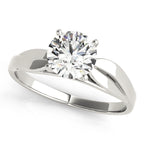
Profile matters more than most buyers expect. A high set engagement ring can sit a tall prong setting needs a band with enough clearance to sit flush beneath it. A low, bezel set ring may need a shaped band to avoid a gap. Always try both rings together before committing.
Width affects balance. A delicate 1.5mm band can look disproportionate alongside a wide halo engagement ring. A 3–4mm band tends to balance most engagement ring settings well.
Explore our full collection of women’s wedding bands and find the style that sits perfectly alongside your engagement ring. Our team can also advise on shaped bands designed specifically to complement any ring in our collection.
Diamond Bracelets What to Know Before You Buy
A diamond bracelet is one of the most versatile pieces in fine jewellery. It can be worn alone as a statement, stacked with other bracelets for a layered look, or paired with an engagement ring and wedding band as part of a complete set. For UK buyers, it is also one of the most popular gift choices for significant occasions milestone birthdays, anniversaries, and as a wedding morning gift from a partner.

| Style | Description | Best For | Notes |
|---|---|---|---|
| Tennis Bracelet | A continuous line of individually set diamonds running the full circumference of the bracelet. | Formal occasions, anniversaries, gifting | One of the most recognisable diamond bracelet styles. Available in prong, bezel, or channel settings. |
| Pavé Bracelet | Closely set small diamonds covering the surface of the bracelet for maximum sparkle. | Everyday wear, layering | More casual feel than a tennis bracelet. Works well stacked. |
| Diamond Bangle | A solid or hinged rigid bracelet with diamonds set along the surface or at intervals. | Gifting, standalone statement | Timeless shape. Available in plain metal with diamond detail or fully set. |
| Line Bracelet | Similar to a tennis bracelet but with a slightly different diamond arrangement and clasp style. | Everyday wear, formal occasions | Often more slender and lightweight than a classic tennis bracelet. |
| Station Bracelet | Individual diamonds spaced at intervals along a delicate chain. | Everyday wear, layering | More subtle than a tennis bracelet. Often the first diamond bracelet a buyer purchases. |
What to Consider When Buying a Diamond Bracelet in the UK
Clasp security matters more on a bracelet than on any other piece of jewellery. Diamond bracelets should always have a safety clasp or a double-lock mechanism. A standard box clasp alone is not sufficient for a piece of this value. At Rings of UK, all diamond bracelets are fitted with safety clasps as standard.
Carat total weight versus individual stone size. A bracelet listed as 2ct total weight contains multiple smaller diamonds rather than a single 2ct stone. This is standard for all diamond bracelets and is not a quality concern but it is worth understanding so that you can compare prices fairly across different listings.
Wrist size affects style choice. A delicate station bracelet on a larger wrist can appear too light and get lost. A wide pavé bangle on a smaller wrist can feel heavy. When in doubt, our team at the Hatton Garden showroom can help you find the right proportion before purchasing.
Lab-grown diamond bracelets offer a significant value advantage in this category. Because tennis and pavé bracelets contain many smaller stones, the cumulative savings of choosing lab-grown diamonds is substantial. A lab-grown diamond tennis bracelet of comparable quality and carat weight can cost up to 60% less than an equivalent natural diamond bracelet, making lab-grown the preferred choice for many UK buyers in this category.
Browse our diamond bracelet collection and find the style that suits the occasion, the wrist, and the person wearing it.

Diamond Pendants The Most Wearable Piece of Fine Jewellery
A diamond pendant is the piece of jewellery most likely to be worn every single day. It sits close to the body, it works with almost any neckline, and it can carry real personal meaning a solitaire diamond given on a first anniversary, a drop pendant chosen to mark a new chapter, a classic diamond pendant necklace worn from the morning of the wedding onwards.
Types of Diamond Pendants
| Style | Description | Best For | Chain Style |
|---|---|---|---|
| Solitaire Pendant | A single diamond in a claw or bezel setting on a fine chain. | Everyday wear, gifting, graduations, anniversaries | Fine trace chain or box chain, typically 16–18 inches |
| Halo Pendant | A centre diamond surrounded by a ring of smaller diamonds. Maximises visual impact of the centre stone. | Statement occasions, milestone gifts | Cable or wheat chain, 16–18 inches |
| Drop Pendant | A longer diamond pendant that hangs below the chain. Creates movement and visual length. | V-necklines, formal occasions, gifting | Box or trace chain, 16–20 inches |
| Journey Pendant | Diamonds graduated in size along the setting, representing growth or a journey. | Anniversaries, meaningful gifts | Fine cable chain, 16–18 inches |
| Diamond Cross Pendant | A cross set with diamonds, available in simple or fully pavé designs. | Gifting, personal or spiritual significance | Wheat or box chain, 18–20 inches |
| Cluster Pendant | Multiple diamonds grouped together in an artistic arrangement. | Statement gifting, contemporary design | Cable chain, 16–18 inches |
Choosing the Right Diamond Pendant for the Wearer
Chain length affects how the pendant sits relative to the neckline and the wearer’s height. For most women in the UK, a 16–18 inch chain sits at the collarbone, the most flattering position for a diamond pendant necklace worn with everyday clothing. An 18–20 inch chain drops to the base of the neck, which suits lower necklines and taller wearers.
Metal choice affects the look of the diamond more than most buyers expect. A yellow gold setting adds warmth to near-colourless diamonds (G–H colour range) in a way that can make the stone appear slightly warmer. A platinum or white gold setting maximises the contrast and makes a colourless diamond (D–F) appear its most brilliant.
For gifting, a solitaire diamond pendant is the most universally wearable choice. It is the piece least likely to conflict with an existing jewellery wardrobe and the most likely to be worn daily for years.
Explore our diamond pendants collection including solitaire, halo, drop, and journey styles in a range of carat weights and metals, with lab-grown and natural diamond options available across every design.
Diamond Earrings A Guide to Every Style
Diamond earrings are, for many women, the first piece of fine diamond jewellery they own. They are also the piece most frequently requested as a gift for birthdays, Christmas, anniversaries, and as a wedding morning gift. The range of styles available today is broader than ever, from the most classic diamond stud earrings to dramatic drop designs that command a room.
| Style | Description | Best For | Occasion |
|---|---|---|---|
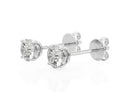
| Diamond Stud Earrings | A single diamond in a four prong or bezel setting, worn directly on the ear. The most classic style. | Everyday wear, all occasions, first fine jewellery purchase | Work, weddings, casual, formal |
| Halo Stud Earrings | A centre diamond surrounded by a ring of smaller diamonds. Maximises visual impact on the ear. | Gifting, occasions where extra sparkle is wanted | Evenings, weddings, special occasions |
| Drop Earrings | A diamond or cluster of diamonds that hangs below the ear on a short drop. | Formal occasions, adding length to the face | Evenings, weddings, parties |
| Huggie Earrings | A small hoop that sits close to the earlobe, often set with pavé diamonds. | Everyday wear, stacking with studs | Casual, work, evenings |
| Diamond Hoops | A continuous hoop fully or partially set with diamonds. Statement wearable every day. | Everyday wear, strong style statement | All occasions |
| Chandelier Earrings | Multi-tiered diamond earrings that cascade below the earlobe. | Formal occasions, weddings, high impact looks | Black tie, weddings, events |
Diamond Stud Earrings: The Essential Guide
Diamond stud earrings are the single most purchased piece of fine diamond jewellery in the UK. They are the right gift for almost any occasion, they suit almost every face shape and age, and they are the most likely piece to be worn daily for decades without ever feeling dated.
When choosing diamond stud earrings, the four Cs apply just as they do for any diamond purchase. However, the relative importance of each C changes slightly for earrings compared to engagement rings.
Cut is still the most important factor. A well-cut diamond in a stud earring reflects light upward toward the observer’s eye, producing maximum sparkle. An Excellent cut grade should be the baseline.
Colour matters more in studs than in rings. Because diamond studs sit against the skin without the context of a setting or a band, any warmth in the colour is more visible. For studs, G or above is the recommended range. H is acceptable but worth assessing in person.
Clarity is less critical in studs than in rings. Because studs are typically viewed at conversational distance rather than close up, SI1 stones are frequently eye-clean and offer excellent value.
Carat size affects the visual impact on the ear significantly. A 0.5ct total weight pair (0.25ct per ear) is delicate and subtle. A 1ct total weight pair (0.5ct per ear) is the most popular choice for UK buyers seeking a noticeable but not overpowering look. A 2ct total weight pair (1ct per ear) makes a genuine statement.
Explore our diamond stud earring collection including classic diamond stud earrings, halo studs, drop styles, and diamond hoops with lab-grown and natural diamond options available across every design.
How to Build a Complete Diamond Jewellery Collection
Many UK buyers begin with an engagement ring and a wedding band, then gradually add pieces over time a diamond pendant for a first anniversary, diamond earrings as a birthday gift, a diamond bracelet to mark a milestone. This is a natural and entirely sensible approach to building a collection, and it tends to produce the most coherent and personal jewellery wardrobes.
The table below offers a suggested order and occasion framework for building a diamond jewellery collection over time.
| Piece | Suggested Occasion | Starting Point | Notes |
|---|---|---|---|
| Engagement Ring | Proposal | Centre stone, choose setting style | The foundation of the collection |
| Women’s Wedding Band | Wedding day | Match or complement the engagement ring | Consider a shaped band if the engagement ring has an unusual profile |
| Diamond Stud Earrings | First anniversary or significant birthday | 0.5ct–1ct total weight | Most versatile gift. Will be worn every day |
| Diamond Pendant Necklace | Second anniversary or Christmas | Solitaire, 0.25ct–0.5ct | Choose metal to match the engagement ring and wedding band |
| Diamond Bracelet | Milestone birthday or fifth anniversary | Station or tennis bracelet | Consider lab-grown for the best value on multi-stone pieces |
| Diamond Hoops or Drop Earrings | Tenth anniversary or significant celebration | Upgrade from studs or add a second earring style | Choose a style that works for both everyday and formal occasions |
Our free custom design service is available across all categories. If you have a specific piece in mind that you cannot find ready-made, speak to our team and we will create it for you.
Lab-Grown vs Natural Diamonds in Jewellery What UK Buyers Need to Know
The choice between lab-grown and natural diamonds applies across the entire jewellery collection not just engagement rings. Here is a brief, honest summary for each category.
For engagement rings and wedding bands: Both lab-grown and natural diamonds are excellent choices. Natural diamonds carry geological rarity and long-term resale value. Lab-grown diamonds offer up to 70% more stone for the same budget, graded identically by GIA and IGI.
For diamond bracelets: Lab-grown diamonds offer outstanding value in this category because the cumulative saving across multiple stones in a tennis or pavé bracelet is significant. Most UK buyers choosing a diamond bracelet for everyday wear or gifting select lab-grown for this reason.
For diamond pendants: The choice is personal. For a solitaire pendant where the single stone is the entire focus, natural diamond is a popular choice. For halo or cluster pendants with multiple smaller stones, lab-grown offers better value.
For diamond stud earrings: Lab-grown diamond stud earrings allow UK buyers to access a noticeably larger stone or higher quality grade for the same price as a smaller natural diamond pair. For stud earrings, lab-grown is increasingly the preferred choice across the UK market.
Explore our lab-grown diamond jewellery collection for earrings, pendants, bracelets, and wedding bands all certified, all conflict-free, and all crafted to the same standard as our natural diamond range.
Visit Our Hatton Garden Showroom See Every Piece in Person
Rings of UK has its London showroom in Hatton Garden the historic heart of the UK's fine jewellery trade, where master craftsmen and diamond specialists have worked for centuries. Visiting Hatton Garden to see fine jewellery in person is a different experience from browsing online the light, the scale, the texture of a setting, the way a diamond catches the eye when it moves. These are things that no photograph fully conveys.
At our Hatton Garden showroom, you can view certified diamonds and finished jewellery pieces in person, speak with our team about any specific requirements, and receive expert guidance across every category in this guide. Walk-in visits are welcome, and appointments are available for those who prefer dedicated one-to-one time with a member of our team.
Not in London? Our free virtual consultation service offers the same level of expertise remotely a direct conversation with our team, wherever you are in the UK.
Book a Free Consultation and let us help you find the right piece for the right moment.
Caring for Your Diamond Jewellery Practical Advice for UK Buyers
Diamond jewellery is built to last, but it does benefit from regular care. Here are the key things to know.
Cleaning at home is straightforward and should be done regularly. Soak your pieces in warm water with a small amount of washing-up liquid for 20–30 minutes, then gently clean with a soft-bristled toothbrush, rinse under clean water, and dry with a lint-free cloth. Do not use ultrasonic cleaners on pieces with pavé settings or prong-set smaller stones without professional guidance.
Storage matters more than most buyers realise. Diamonds are the hardest material on earth and will scratch other gemstones and metals if stored together. Keep pieces in individual pouches or compartments the boxes and pouches supplied with your Rings of UK purchase are designed for exactly this purpose.
Professional cleaning and inspection once a year is worth doing particularly for engagement rings and wedding bands worn every day. Our team will check prong integrity, clean the piece professionally, and advise on any maintenance required. This service is available to all Rings of UK customers.
Remove jewellery before activities that involve significant impact, harsh chemicals, or submersion in chlorinated water. Diamonds are hard but they can chip under a sharp direct blow, and chlorine can damage gold settings over time.
Frequently Asked Questions About Diamond Colour
What is the best diamond jewellery gift for a woman in the UK?
Diamond stud earrings are the most universally well-received diamond jewellery gift for women in the UK. They are suitable for any age, any style, and any occasion and they will be worn consistently for years. A 0.5ct to 1ct total weight pair in white gold or platinum is the most popular choice. If you know the recipient's personal style well, a diamond pendant necklace or diamond bracelet can be equally meaningful.
What should I look for when buying women's wedding bands?
The three most important factors when choosing a women's wedding band are how it sits alongside the engagement ring, what metal it is set in, and how comfortable it is for everyday wear. The band should complement the engagement ring rather than compete with it. Metal should match or deliberately contrast. For comfort in daily wear, a band with a rounded inner profile called a comfort fit makes a significant difference.
What length chain should a diamond pendant be on?
For most UK buyers, a 16–18 inch chain places the pendant at the collarbone the most flattering position for everyday wear. An 18 inch chain suits most heights and necklines. A 20 inch chain drops slightly lower and suits taller wearers or lower necklines. Always consider what the pendant will be worn with before choosing the chain length.
How much does a diamond tennis bracelet cost in the UK?
Diamond tennis bracelet prices in the UK vary significantly depending on the total carat weight, diamond quality, metal, and setting style. A natural diamond tennis bracelet typically starts from around £1,500 for a lighter, lower-grade piece and rises significantly with carat weight and quality. A lab-grown diamond tennis bracelet of comparable visual quality typically costs 50–70% less. At Rings of UK, all diamond bracelets come with certified stones and full UK delivery included.
Are lab-grown diamond earrings as good as natural diamond earrings?
Yes. Lab-grown diamond earrings are physically and chemically identical to natural diamond earrings. They are graded on the same 4Cs scale by GIA and IGI. The difference is cost lab-grown diamond stud earrings typically cost 50–70% less than natural equivalents of the same grade. For everyday earrings, lab-grown is an excellent and increasingly popular choice among UK buyers.
Can I customise a wedding band or jewellery piece at Rings of UK?
Yes. Our free custom design service covers all categories women's wedding bands, diamond bracelets, pendants, and earrings. If you have a specific design in mind, bring it to us as a sketch, a photograph, or a description, and our team will create it. Custom design consultations are available online or in person at our Hatton Garden showroom.
How do I know if a diamond piece is certified?
Every diamond piece sold by Rings of UK comes with an independent grading certificate from GIA or IGI. The certificate details are listed on every product page. When the piece is delivered, the physical certificate accompanies it. You can verify any certificate online using the report number on GIA's or IGI's verification tool.
What is the difference between a diamond tennis bracelet and a pavé bracelet?
A diamond tennis bracelet features individually set diamonds in a line, each stone set in its own setting usually a four-prong or bezel mount with small gaps between stones. A pavé bracelet features many smaller diamonds set closely together with minimal metal visible, creating a surface that appears almost fully covered in diamonds. Tennis bracelets show individual stones more clearly. Pavé bracelets create a uniform sparkle across the whole surface.