Cart
0


When the time comes to choose your rings, one of the first questions most couples ask is: What's the difference between an engagement ring and a wedding band?
It's an easy question to overlook until you're standing in front of two cases of beautiful jewellery, wondering whether you need both, when each is worn, and how they should fit together.
In this guide, we'll explore both pieces from purpose and symbolism to design, timing, and how they're traditionally worn in the UK, so you can make an informed, stylish choice for your relationship.
What Is an Engagement Ring?

An engagement ring is traditionally presented by one partner to the other as a promise of marriage. It signals the intention to marry and marks the beginning of the engagement period.
The Symbolism Behind an Engagement Ring
An engagement ring symbolizes the commitment to a shared future, the we're going to get married stage. Historically, the fourth finger of the left hand was chosen because of the romantic belief in the vena amoris, a vein once thought to run from that finger directly to the heart.
While the science behind that belief was eventually disproved, the tradition has remained, and most UK couples still wear the engagement ring on the left ring finger today.
Engagement Ring Design and Style
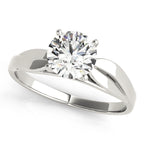
Engagement rings typically feature a prominent centre stone, most commonly a diamond, with raised settings and more elaborate design detail. Common styles include solitaire, halo, three-stone, and pavé.
Because of the centre stone size, design complexity, and craftsmanship involved, engagement rings are generally more significant in price than wedding bands. While traditionally worn only by women, many UK-based couples now choose gender-neutral or matching designs.
When an Engagement Ring Is Given and Worn
The engagement ring is given at the proposal, or at the very start of a committed plan to marry. It's typically worn continuously from the moment of engagement onward through the wedding day and beyond. Many people continue to wear both their engagement ring and wedding band side by side after marriage.
What Is a Wedding Band?

A wedding band is the ring exchanged during the marriage ceremony itself. It represents the formal vow that we are married rather than just the promise of marriage.
The Symbolism Behind a Wedding Band
A wedding band symbolizes the completed commitment: the transition from engaged to married. Because of its circular, unbroken form, the band has long represented eternity, unity, and lasting love. This symbolism dates back to ancient Egyptian and Roman cultures and has remained almost unchanged for thousands of years.
Wedding Band Design and Style
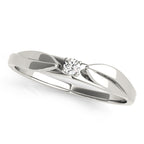
Wedding bands have traditionally been simpler than engagement rings, a plain precious metal band in gold, white gold, or platinum. That said, modern wedding bands often feature small diamonds, engraving, mixed metals, or unique finishes. They generally remain less ornate than the engagement ring they sit alongside.
Because wedding bands are worn daily, often by both partners, durability and comfort matter more than a visual statement. The design must comfortably suit a lifetime of wear, through every part of daily life.
When a Wedding Band Is Given and Worn
The wedding band is exchanged during the wedding ceremony itself, typically by both partners. After the ceremony, many people wear the engagement ring and wedding band together; some prefer to wear just the band for daily comfort and reserve the engagement ring for special occasions.
Engagement Ring vs Wedding Band: Key Differences

Here's a clear, side-by-side comparison of the two rings.
|
Feature |
Engagement Ring |
Wedding Band |
|
Purpose |
Promise to marry |
Vow of marriage fulfilled |
|
Timing Given |
At the proposal |
Exchanged at the wedding ceremony |
|
Design |
Often a central gem, more ornate |
Simpler band, fewer or smaller stones |
|
Worn By |
Traditionally, one partner (now often both) |
Traditionally both partners |
|
Order of Wear |
Worn first, then the wedding band was added |
Worn on or after the wedding day |
|
Symbolism |
Intention, hope, upcoming union |
The actual union, lifelong commitment |
|
Typical Cost (UK) |
£1,500 – £6,000+ |
£400 – £2,500+ |
|
Daily Wear |
Often worn daily |
Almost always worn daily |
These distinctions might seem obvious, but many couples still ask: Do I need both? The short answer is no, you don't have to. But in the UK jewellery tradition, both rings play their role in marking different chapters of the same story.
How to Wear an Engagement Ring and Wedding Band Together

Once you have both rings, you'll naturally start to think about how they should sit on the finger and how to wear them day to day.
Order and Finger Placement (UK Tradition)
In the UK, the most common tradition is to wear the wedding band closest to the heart, meaning placed on the finger first, with the engagement ring stacked above it.
During the wedding ceremony itself, the engagement ring is often moved temporarily to the right hand. After the ceremony, the wedding band is slid onto the left ring finger first, followed by the engagement ring above it. Some couples today choose to wear both rings stacked freely, or wear the engagement ring on the right hand entirely; there's no rigid rule.
Matching and Stacking
If you plan to wear both rings together every day, consider matching or complementary metals and band widths so they sit beautifully against each other. If your engagement ring features a large or unusually shaped centre stone, a shaped or contoured wedding band that sits flush against the engagement ring may be the most comfortable choice.
Lifestyle Considerations
Because the wedding band will be worn daily for decades, think about durability:
-
Platinum is the most durable choice and resists scratching better than gold
-
18ct gold holds its finish well and is the most popular UK choice
-
9ct gold is harder and more affordable, but slightly less precious
-
Lower-profile settings work better for active lifestyles and manual work
Avoid overly elaborate settings on either ring if you have a hands-on job or play sports regularly; comfort and security should always come first.
Budget Planning
It's wise to budget for both rings as part of your overall bridal jewellery expense. Engagement rings typically cost more, but the wedding band is not insignificant, particularly if both partners exchange one.
Many UK jewellers, including Rings of UK, offer bridal sets with a matching engagement ring and wedding band designed to fit together perfectly. Bridal sets simplify the process and avoid design mismatches later.
Expert Tips from Rings of UK
At Rings of UK, we guide couples through hundreds of engagement rings and wedding band pairings every year. Here's what we recommend.
Start early:
Looking at engagement ring styles and wedding band options at the same time helps you avoid mismatches later, particularly if you want them to sit flush together.
Customize smartly:
If your engagement ring is unique or bespoke, make sure the wedding band is designed to fit it well. Our team can craft a shaped or contoured band that sits perfectly against any engagement ring.
Think long-term:
You'll wear the wedding band for decades. Choose metals and design with that lifespan in mind.
Treat both rings as symbols:
The engagement ring marks the beginning. The wedding band marks forever. They're distinct yet deeply connected, and together they tell the full story.
Budget for the pair:
It's not just one ring. Plan the combined investment to avoid compromising on either piece.
Final Thoughts: Two Rings, One Love Story
So, what's the difference between an engagement ring and a wedding band? In essence, one marks the promise, the other marks the fulfilment. Each serves a distinct purpose, and together, they tell the complete story from engagement to marriage.
Whether you choose a classic solitaire engagement ring followed by a plain platinum wedding band, or a coordinated bridal set designed to sit perfectly together, what matters most is that your choice reflects your relationship, your style, and your future together.
At Rings of UK, we're here to help you find or design rings that mark every chapter of your story beautifully and honestly.
Explore our engagement ring collection, browse our wedding bands, or book a consultation at our Hatton Garden showroom
Frequently Asked Questions
What is the difference between an engagement ring and a wedding band?
An engagement ring is given at the proposal and symbolizes the promise of marriage, typically featuring a centre diamond and a more elaborate design. A wedding band is exchanged at the marriage ceremony itself, symbolizing lifelong commitment, and is usually simpler in design, built for daily wear over decades.
Do I need both an engagement ring and a wedding band?
No, you don't strictly need both. Many UK couples choose to wear both rings as part of tradition, but some opt for a single ring that serves both purposes. The choice depends on personal style, budget, and what feels meaningful to your relationship.
Which finger does the engagement ring and wedding band go on in the UK?
Both the engagement ring and wedding band are traditionally worn on the fourth finger of the left hand in the UK. The wedding band is usually placed closest to the heart, meaning slid onto the finger first, with the engagement ring stacked above it.
Do engagement rings and wedding bands need to match?
No, they don't have to match exactly. However, coordinating the metal type, band width, and finishing details helps the two rings look harmonious when stacked together. Most UK jewellers recommend matching at least the metal (e.g., both 18ct white gold or both platinum) for a cohesive look.
What is a bridal set?
A bridal set is a matched engagement ring and wedding band designed to fit together perfectly. Bridal sets ensure the wedding band sits flush against the engagement ring with no awkward gaps, and they share complementary design details. Rings of UK offers a complimentary custom design to create perfectly matched bridal sets.
How much should I spend on an engagement ring vs a wedding band?
In the UK, engagement rings typically cost between £1,500 and £6,000+, while wedding bands typically cost between £400 and £2,500+. The engagement ring usually represents the larger investment because of the centre diamond, while the wedding band focuses on durability and design rather than stone size.
Can men wear engagement rings in the UK?
Yes, men's engagement rings are becoming increasingly popular in the UK. Modern couples often choose matching or complementary engagement rings for both partners, particularly in same-sex couples or where both partners want to symbolize the engagement equally. Diamond bands, plain metal rings, and signet-style designs are all popular men's options.
Should the wedding band go above or below the engagement ring?
In UK tradition, the wedding band goes below the engagement ring, meaning closer to the hand. This is because the wedding band is exchanged second (at the ceremony), but is symbolically placed closest to the heart. The engagement ring then sits on top of the wedding band on the finger.